

<10% CV
Same sites, same instruments, same panels. When the control stops contributing noise, the variance you see is the biology — which is what you wanted to measure in the first place.
- CD19
- BCMA
- EGFR
Scientists have spent decades improving protocols, refining methods, and raising standards to make their research more reproducible. Yet variability in biological materials can still make results difficult to replicate.
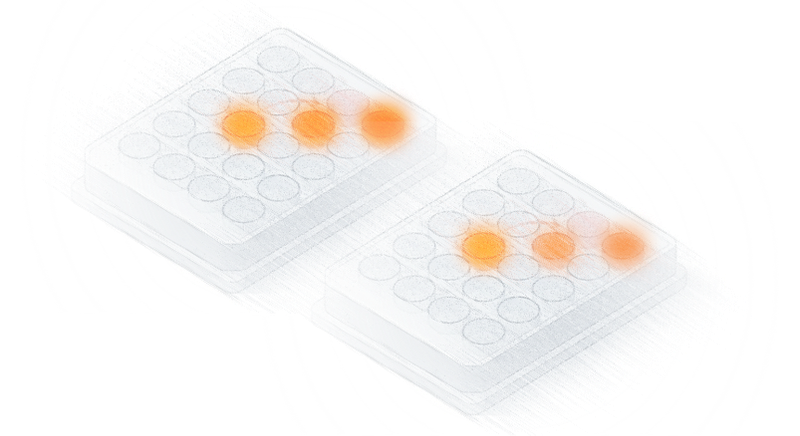
Slingshot Bio’s synthetic cell mimics help address that variability with consistent reference materials for flow cytometry—supporting the work researchers are already doing to make their science more reliable.
What matters when your assay has to hold up across operators, sites, audits, and the next ten years of comparability.
The same SKU, the same antigen density, the same scatter profile, every shipment. So when an assay shifts, you know it's the assay, not the control.
Five families that solve five parts of the same problem: making CGT flow data reproducible from preclinical through release.
From potency assay development through commercial release across global sites, the reference material has to hold. Here's where it usually doesn't, and where it stops.
Stage 01
Instrument Setup


The problem
Polystyrene beads don't scatter like real cells — instrument calibrated on wrong reference data from day one.
Stage 02
Assay Development

The problem
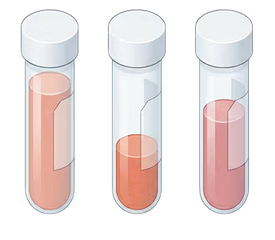
Blood products and cell lines vary lot-to-lot. You can't build a validated panel on an unstable foundation.
Stage 03
Established Assays


The problem
Validated assays drift over time. Patient samples introduce new variability every run — no stable QC anchor.
Stage 04
Intra/Inter-Site Harmonization

The problem
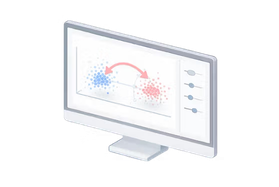
No standard exists for aligning data across instruments and sites. Teams resort to software workarounds that mask the noise.
Tell us your assay and your timeline. We'll send samples for qualification on your real method, on your real instrument, by your real team.
Three things you can verify before the next program review.
<10% CV
Same sites, same instruments, same panels. When the control stops contributing noise, the variance you see is the biology — which is what you wanted to measure in the first place.
Lot-to-lot consistency that holds from Phase I through commercial release. No re-qualification when phases change or scale shifts.
Same control, same reading, whether the run happens in Boston, Munich, or Singapore. Instrument-to-instrument noise collapses.
“We've integrated Slingshot cell mimics as crucial controls in several of our flow cytometry workflows. Whether in assessing cell viability or managing compensation and unmixing, these off-the-shelf controls seamlessly slot into our processes. This enhances our workflow efficiency without having to compromise on data quality and reliability.”


Dr. Veronica Nash
US Regional Head of Flow Cytometry


Dr. Veronica Nash
US Regional Head of Flow Cytometry
Frequently asked questions to our team.